Key Takeaways
- Social Media Analytics is essential for navigating digital marketing effectively
- Focus on actionable metrics that align with business goals
- The right tools and dashboards streamline reporting and insights
- Regularly interpret and act on analytics for continuous improvement
- Ethical data use and privacy compliance are non-negotiable
Join 473+ Founders & Marketing Leaders for tips, strategies, and resources to scale your business.
What is Social Media Analytics?
Definition and Core Concepts
Social Media Analytics involves collecting and interpreting data from social networks to understand user behavior, campaign performance, and brand reputation.
“Social Media Analytics bridges the gap between digital conversations and real-world business outcomes.”
Why It Matters for Modern Businesses
- Reveals audience preferences and pain points
- Measures the effectiveness of campaigns
- Identifies new market opportunities
- Protects brand reputation through proactive monitoring
Types of Social Media Data
- Engagement Data: Likes, shares, comments, mentions
- Demographic Data: Age, gender, location, interests
- Sentiment Data: Positive, negative, or neutral conversations
- Content Performance: Reach, impressions, click-through rates
Did you know?
“Over 70% of businesses that use social analytics report a significant increase in marketing ROI.”
Key Metrics and KPIs in Social Media Analytics
Engagement Metrics
- Likes & Reactions: Indicate content resonance
- Shares & Retweets: Show content virality
- Comments & Replies: Reflect audience interest and involvement
“Focusing on engagement metrics helps uncover what truly matters to your audience.”
Reach and Impressions
- Reach: The number of unique users who saw your content
- Impressions: Total views, including repeats
- Growth Rate: Change in followers or reach over time
Conversion Metrics
- Click-Through Rate (CTR): Percentage of viewers who click
- Leads Generated: Number of new leads from social channels
- Conversions: Actual business goals achieved (signups, purchases, downloads)
Pro Tip
“Track metrics that align with your business goals—not just vanity numbers.”
Tools & Techniques for Social Media Analytics
Leading Analytics Tools
- Native Tools: Facebook Insights, Twitter Analytics, LinkedIn Analytics
- Third-Party Platforms: Hootsuite, Sprout Social, Buffer, Brandwatch
- Enterprise Solutions: Salesforce Social Studio, Adobe Analytics
“Choose analytics tools that integrate seamlessly with your current workflows and platforms.”
Data Collection Methods
- APIs: Automated data extraction from platforms
- Manual Tracking: Using spreadsheets or built-in reports
- Social Listening: Monitoring brand mentions and conversations
Data Visualization & Reporting
- Dashboards: Real-time overviews of key metrics
- Automated Reports: Scheduled summaries sent to stakeholders
- Custom Charts: Deep dives for presentations and decision-making
Did you know?
“Visual dashboards speed up decision-making by making trends and anomalies instantly recognizable.”
Applying Social Media Analytics: Strategies & Best Practices
Setting Goals and Objectives
- Define clear, measurable social objectives (brand awareness, lead gen, engagement)
- Align analytics KPIs with overall business goals
“Without a well-defined goal, analytics data is just noise.”
Interpreting Data for Actionable Insights
- Identify patterns in audience behavior
- Segment data by demographics, interests, or platforms
- Use sentiment analysis to guide messaging strategies
Iterative Optimization
- Test different content types, posting schedules, and formats
- A/B test campaigns and monitor results
- Continuously refine strategy based on analytics feedback
Pro Tip
“The best marketing teams treat analytics as an ongoing conversation with their audience—not a one-time report.”
Challenges and Limitations
Data Quality and Integrity
- Incomplete or inaccurate data skews insights
- Platform restrictions affect data availability
“Good decisions depend on good data—never take analytics at face value.”
Privacy and Compliance
- Adhere to GDPR and other data privacy regulations
- Only use data ethically and with user consent
Information Overload
- Avoid paralysis by focusing on key metrics
- Use automation to filter and surface important trends
Did you know?
“Nearly 60% of marketers struggle with data overload. Curating the right metrics is half the battle.”

FAQ: Social Media Analytics
What is Social Media Analytics?
Social Media Analytics refers to the process of gathering and analyzing data from social platforms to inform business and marketing decisions.
Why is Social Media Analytics important for businesses?
It helps organizations understand their audience, measure campaign effectiveness, and make data-driven decisions that improve ROI.
What are some commonly tracked social media metrics?
Key metrics include engagement (likes, shares, comments), reach, impressions, click-through rates, conversions, and sentiment.
Which tools are best for Social Media Analytics?
Popular options include native tools like Facebook Insights and Twitter Analytics, as well as third-party platforms such as Hootsuite and Sprout Social.
How often should analytics data be reviewed?
Best practice is to review data regularly—daily for tactical adjustments, and monthly for strategic decisions.
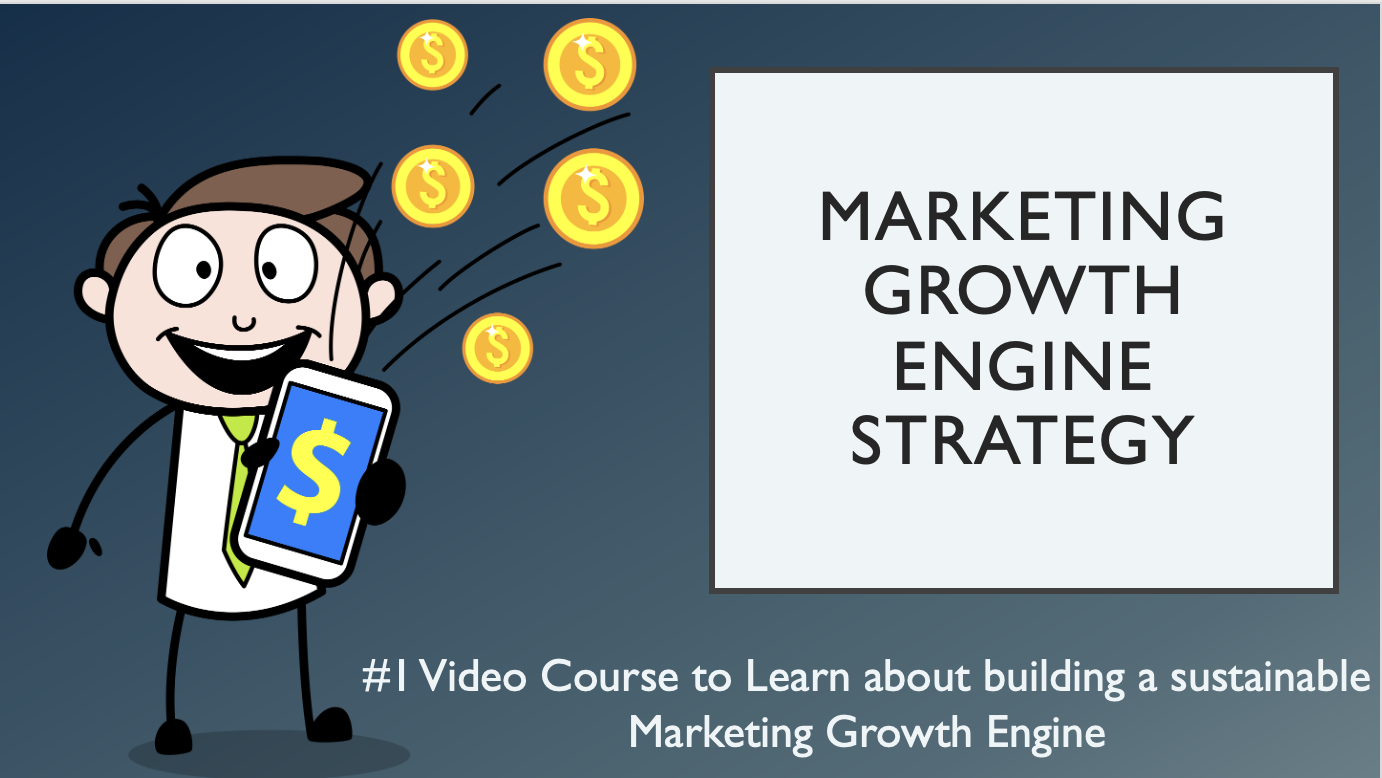
You may also like the below Video Course
Conclusion: Turning Insights Into Action
Transforming raw social data into actionable business strategies requires the right mix of tools, clear goals, and a commitment to iteratively optimizing your approach. Founders, marketing heads, and entrepreneurs who prioritize analytics are better equipped to navigate the ever-changing social landscape, maximize ROI, and achieve sustainable growth.
“Analytics is not a destination—it’s an ongoing journey of learning, adapting, and improving.”
Want to Scale your Social Media Marketing initiatives?
Need a Social Media Marketing growth partner who can build the same automation, paid acquisition, and retention systems we architect for our marketing automation and growth retainers? We help leaders scale repeatable revenue engines in Social Media Marketing without adding bloated headcount.
Talk to us about plugging our expert team into your roadmap—no pressure, just a candid conversation about how we can automate, optimize, and grow faster together.